
Restore
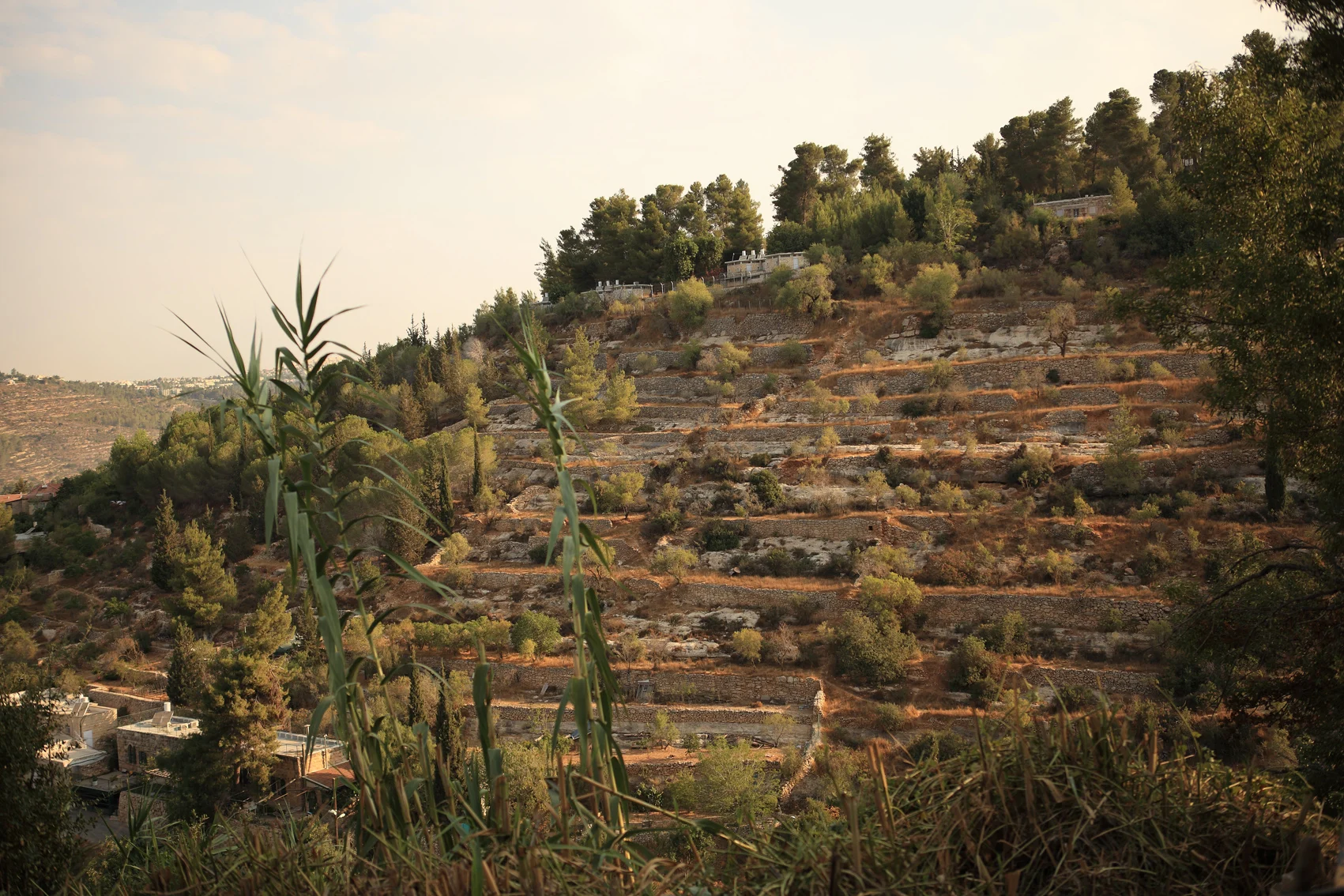
Repair terraces, tend trees, learn the ecology and agricultural knowledge of a particular landscape.
What would it mean to raise a generation that knows what to do with the return to Eretz Yisrael?
Or B’Sadeh is an emerging initiative reconnecting Jewish life, learning, and community with the land of Israel through hands-on education, ecological restoration, and shared traditions.
Join us for terrace restoration workshops in Ein KeremA people can return geographically without recovering the knowledge, practices, responsibilities, and ways of living that make a place genuinely known to them.
You can be born in Jerusalem and never know how to cultivate an olive tree.
You can celebrate Shavuot every year and never participate in a wheat harvest.
You can study the agricultural mitzvot and never have responsibility for a field.
You can know that Eretz Yisrael is central to Jewish identity without ever developing the practical knowledge to care for a single piece of it.
What if belonging were something we learned to practice?
We imagine children and adults learning from farmers, shepherds, craftspeople, and elders—through restoration, cultivation, Jewish tradition, and the turning seasons.
Not nostalgia. Not reenactment. A living relationship between people and place.
Join us in the fieldIn Jerusalem’s hills, ancient agricultural terraces offer a place to begin. Alongside local partners, young people, and neighbors, we are restoring terraces—and asking how shared work can become a sustained culture of stewardship.
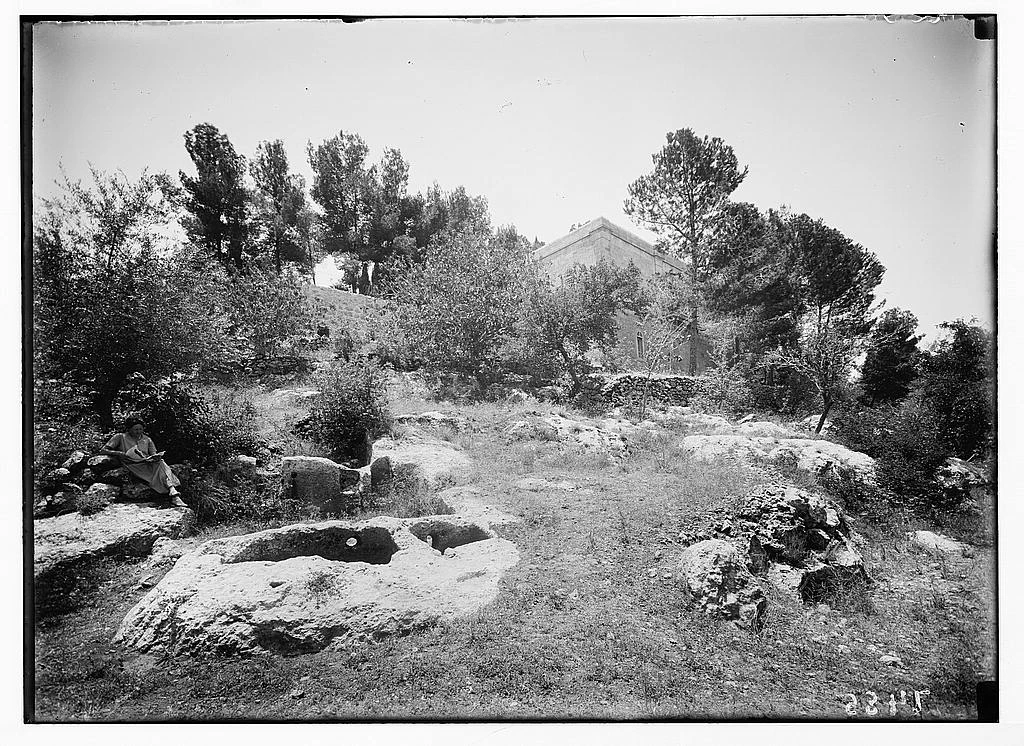
These working landscapes carry generations of knowledge: walls holding soil, springs sustaining gardens, and terraces bearing olive trees, vines, and fruit orchards. [1]
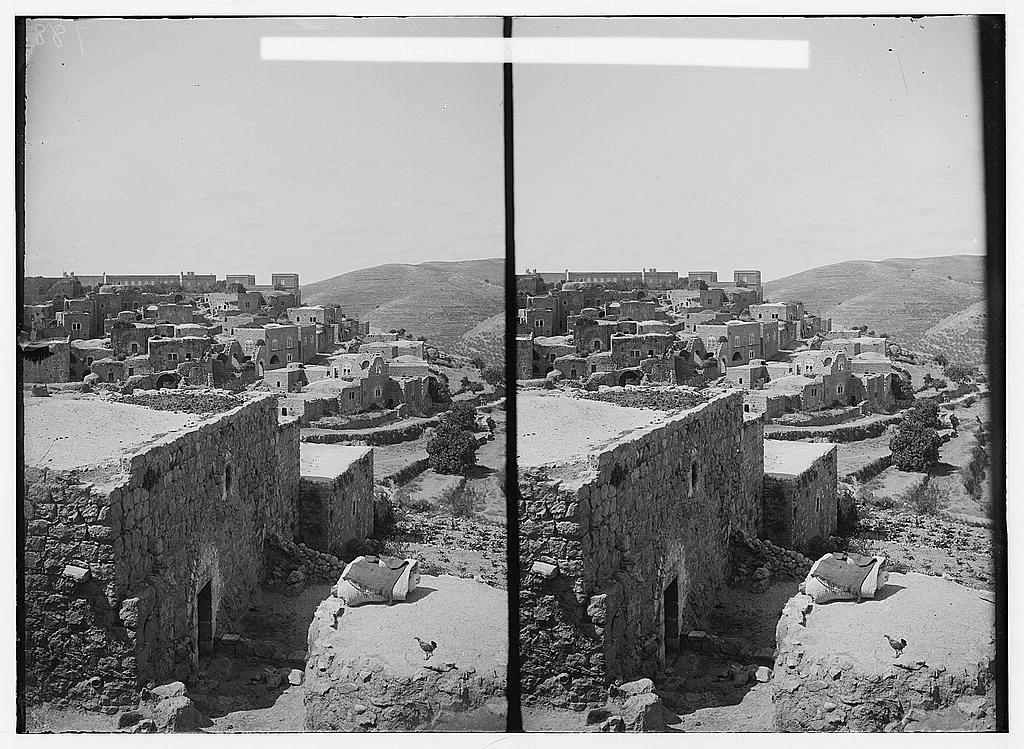
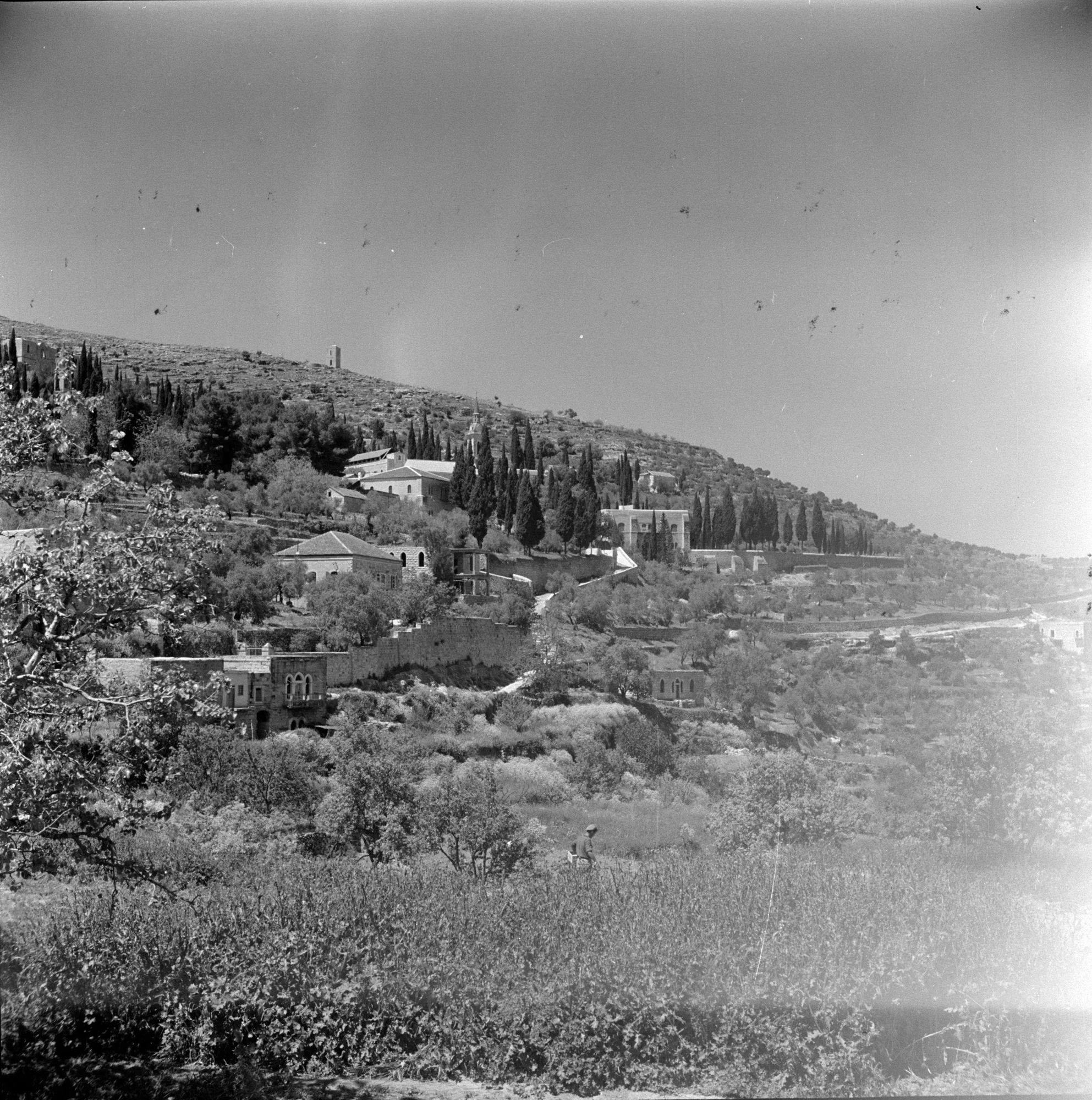
Before 1948, ‘Ayn Karim was a Palestinian Arab village with Muslim and Christian communities. During the war, its inhabitants fled or were displaced; Jewish immigrants later settled here. The landscape also carries the story of that displacement. [2–3]
To care for this place is to learn its stories honestly and respectfully—and to learn how a wall holds, how a tree is tended, and what responsibility asks of us.
Agricultural produce connected the village’s working terraces, gardens, and orchards with nearby Jerusalem. Caring for this landscape today also means learning about the livelihoods and communities it once sustained. [2]
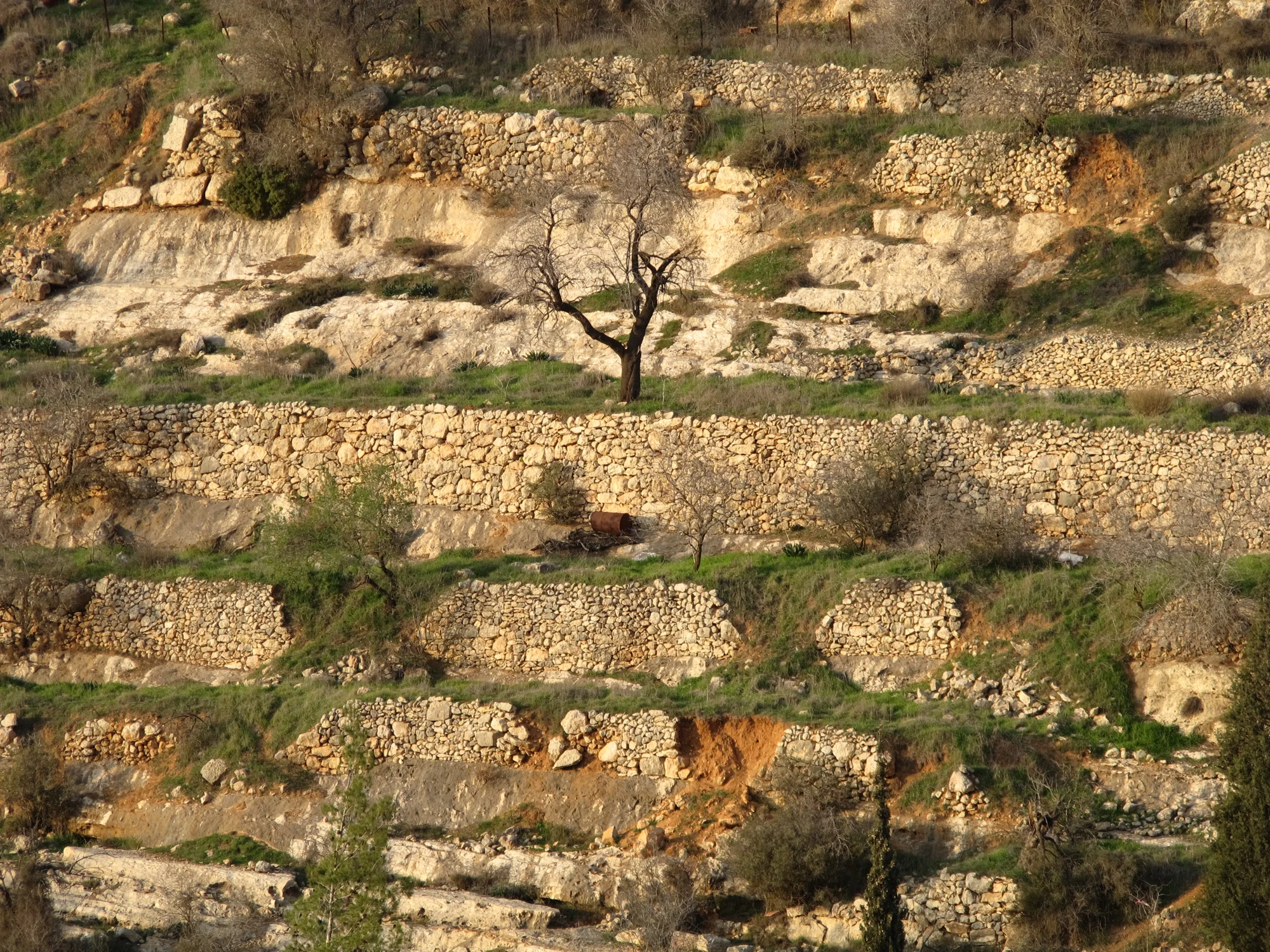
Repair terraces, tend trees, learn the ecology and agricultural knowledge of a particular landscape.
Bring generations together through work, seasonal rituals, food, craft, and shared responsibility.
Come back next season. And the next. Let care become continuity rather than a one-time activity.
One vision. Many ways to bring it to life.
Or B’Sadeh begins with a simple conviction: that our relationship with the land should not be something we merely inherit, remember, or study, but something we actively cultivate.
What begins with the restoration of a single agricultural terrace can grow into something much larger: a living network of places, people, and practices through which Jewish life becomes rooted in the land once again.
These are interconnected directions for the initiative’s development, rather than established programs. The first work is local, practical, and collaborative, beginning in Ein Kerem.
Reviving ancient agricultural terraces, cultivating orchards, and restoring the ecological and agricultural landscapes that have shaped life here for generations.
Bringing the land into Jewish education through encounters with its seasons, ecology, agricultural traditions, texts, and living practices.
Creating immersive opportunities for olim, families, and communities to develop a deeper relationship with Eretz Yisrael through shared work, learning, and experience.
Bringing people together through restoration, seasonal celebrations, harvests, shared meals, music, and the rhythms of a living agricultural calendar.
Reviving practical skills, traditional professions, and productive livelihoods rooted in the land—from shepherding, agriculture, and food production to weaving, craftsmanship, and regenerative enterprise. Building the foundations of a local economy in which ecological stewardship, cultural knowledge, and meaningful work sustain one another.
A restored terrace becomes a classroom. A classroom becomes a gathering place. A harvest becomes a celebration. Traditional knowledge becomes practical skill, and practical skill becomes livelihood.
What emerges is more than a collection of programs. It is the possibility of a living culture—one that can educate its children, restore its landscapes, sustain its communities, and create meaningful work rooted in place.
Or B’Sadeh is taking root.
What begins on the agricultural terraces of Ein Kerem will take many hands to grow: educators, farmers, artisans, researchers, community builders, and people who feel called to this vision.
We are restoring terraces, gathering people, and laying the foundations for the educational, cultural, and economic life that can grow from them.
This is an invitation to help shape and build what comes next.
Take part in community restoration days and hands-on work in Ein Kerem.
Collaborate as an educator, grower, craftsperson, researcher, or practitioner.
Explore partnerships, resources, and opportunities to support the initiative as it grows.
Hear about upcoming gatherings, restoration days, and new opportunities to participate.
The field is where we begin.
If something in this vision speaks to you, we’d love to hear from you.
Be Part of What We’re BuildingAll photographs are documentary images downloaded and served with this website. Display copies are resized and compressed; some layouts crop the image. The hero has a dark overlay for legibility. No AI reconstruction or generated content is used. Historical and contemporary views show the locality, not an exact matched viewpoint.
The 1948 photograph is dated only to the year; it is not presented as evidence of conditions before the displacement. Archive dates and titles follow the catalogues.


